

Italy overwhelms—in the best way. With its mix of ancient ruins, elegant cities, rustic towns, and meals that feel like stories, it’s hard to know where to start. That’s why, for those planning their first visit, this Italy travel guide for first-timers is built to help uncover the essentials without feeling rushed or lost. Rather than ticking boxes, it’s about learning how to see and feel the country through the right lens.
Start With the Shape of the Land
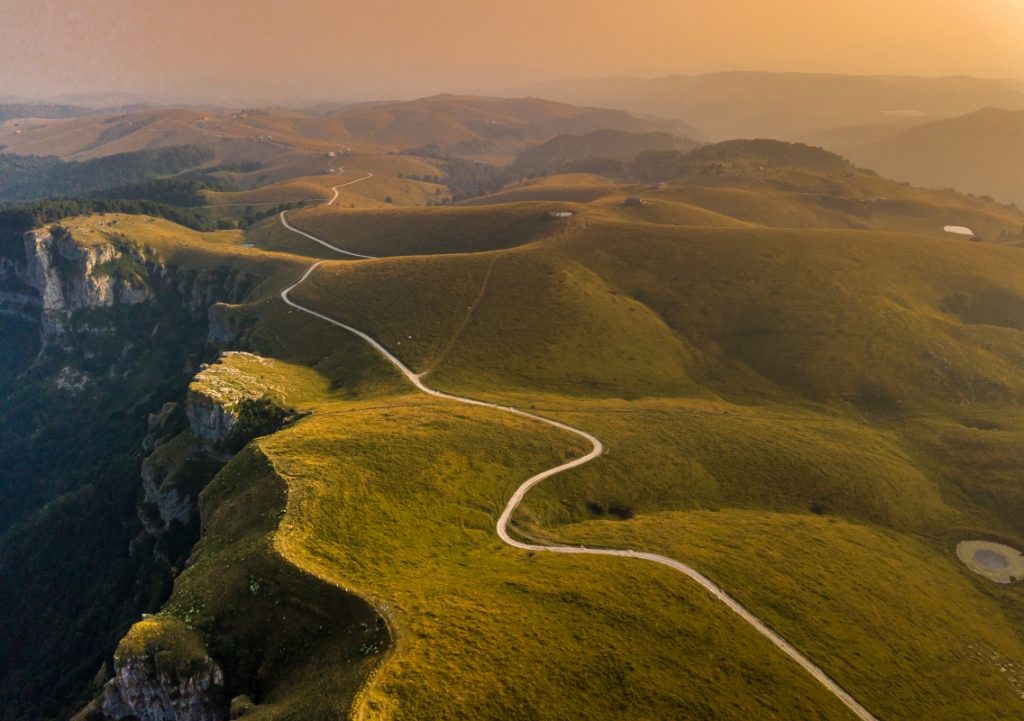
Italy stretches like a boot, and each part offers its own pulse. In the north, travelers will find the elegance of Milan, in the region of Lombardy, the lakes of Lombardy, and the Dolomites brushing the clouds. Meanwhile, central Italy holds the rhythm of Rome, in the region of Lazio, the Renaissance richness of Florence, in Tuscany, and the rolling hills of Tuscany and Umbria. Further south, the coastline of Campania, the olive-dotted fields of Puglia, and the island life of Sicily and Sardinia reveal an entirely different tempo.
For a smoother experience, first-time travelers should consider narrowing their trip to two or three regions. This allows room to move at a relaxed pace. Although trains connect most of the country efficiently, some rural areas still require a rental car.

Deciding When to Go
Spring (April to early June) and autumn (September to October) strike the best balance between pleasant weather and thinner crowds. While summer brings energy and longer days, it also draws heavy tourism, especially along the coast. On the other hand, winter strips back the chaos, though it limits activity in beach towns or remote mountain villages.
If the focus is on city visits, winter is ideal. However, for travelers dreaming of open piazzas, vineyard lunches, or coastal strolls, late spring or early autumn offers the best of both worlds.

What to Expect From Each Region
Rome, in the region of Lazio, demands patience and shoes that forgive. It’s best explored on foot between fountains, ruins, and sunlit squares. Likewise, Florence, in Tuscany, is a painter’s palette of churches, museums, and slow sunsets over the Arno. In contrast, Venice, in Veneto, drifts in its own time—yes, it’s crowded, but at dusk it feels almost personal.
In the south, the Amalfi Coast lies within the region of Campania, curving dramatically above a sapphire sea. Towns like Matera, in Basilicata, offer quieter rewards with ancient cave dwellings and a slower pace. Sicily balances archaeological weight with street food and living tradition. Each region brings its own food, dialect, and rhythm—Italy is not one country but many strung together.
Understanding How Italians Move and Live
Public transport works well between cities. Trains are fast, frequent, and mostly punctual. High-speed lines connect Milan, Florence, Rome, and Naples efficiently. Regional trains slow things down, revealing more of the countryside. While driving is doable in rural areas, expect chaos in city centers—parking is scarce, streets are narrow, and local driving habits are unflinching.
An Italy travel guide for first-timers wouldn’t be complete without food! Meal times are later than some expect. Lunch runs from 1 to 2:30 p.m., and dinner often starts after 8. A real meal in Italy isn’t rushed. Aperitivo is the soft opening—light drinks and small plates before dinner, often the best time to watch the world pass.

What Not to Miss on a First Trip
While it’s tempting to cover everything, first-timers often find the greatest moments in lingering. For instance, visit a neighborhood market in Florence. Share a bench with a view in Orvieto, in the region of Umbria. Sip espresso at a Roman bar where locals nod without speaking. Learn a few Italian phrases—not to impress, but to connect. Even a simple grazie makes a difference.
Eating regional food is its own kind of travel. Try pici pasta in Tuscany, arancini in Sicily, and fresh mozzarella di bufala in Campania. Skip international chains. Instead, ask the host what they’d order. Chances are, it’s the dish with no translation.

Small Essentials That Make a Big Difference
Pack light—Italy’s cities have stairs, cobbles, and no sympathy for bulky luggage. Bring walking shoes, a scarf for churches, and layers for shifting temperatures. Water fountains are common and safe; carry a refillable bottle. Internet access is easy with local SIM cards or eSIM plans, and most hotels or apartments offer Wi-Fi.
Plan key things—entry tickets to popular sites, train routes—but leave hours open. Italy rewards the curious and the flexible.

Reflecting on the First Journey
This Italy travel guide for first-timers isn’t meant to be followed to the letter. Instead, think of it as a compass pointing toward a more intentional trip. The goal isn’t to see everything. It’s to leave wanting more.
For more regional inspiration, explore the mountain landscapes and national parks of Abruzzo, the Renaissance cities and hill towns of Marche, or the alpine villages and castles of Aosta Valley. To learn more about the country’s full breadth of experiences, visit the official Italy tourism website.