
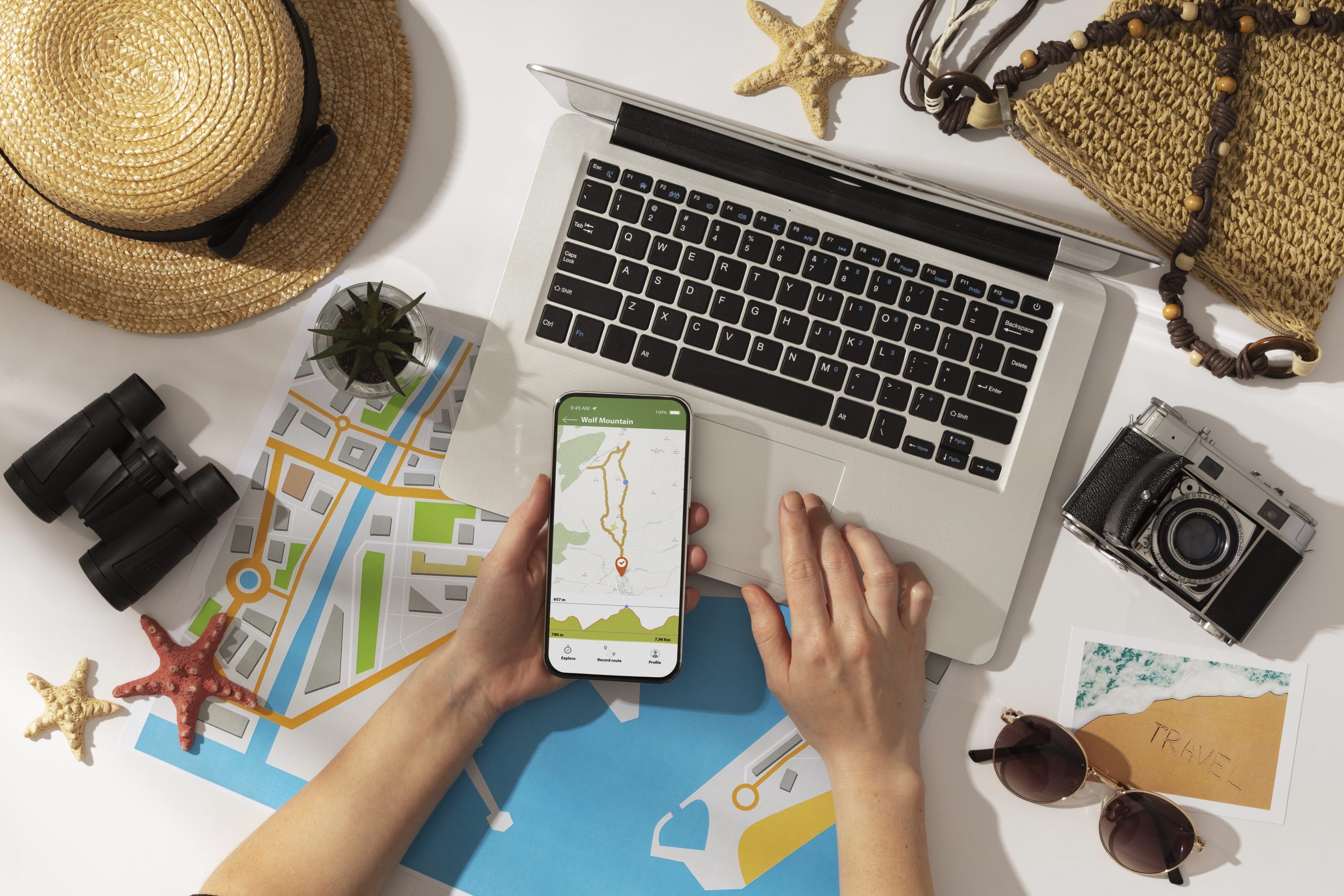
Based on my own experiences over time, I put together a list of travel safety tips for backpackers which will help you stay prepared and avoid common risks when visiting developing countries. Not all advice fits every place, but especially in less developed areas, these tips can keep you safe and make your trip smoother. Whether you’re traveling solo or in a group (which can feel a bit safer), the same travel safety tips apply. Being aware and prepared is important no matter how many people you’re with. Like the good old adage says, it’s better to be safe than sorry.
Situational Awareness: The #1 Golden Rule Among All Travel Safety Tips for Backpackers
Situational awareness means always paying attention to what’s happening around you. In other words, it means knowing who’s nearby, what’s going on, and spotting anything unusual before it becomes a problem. It’s about being alert without being paranoid, using your eyes and common sense to stay one step ahead. This is especially important when traveling in developing countries where things can change quickly, and being aware can help you avoid risky situations before they escalate. Keeping situational awareness helps you stay safe and make smarter decisions on the go. Be on the lookout, scan your environment, and have fun!
Trust Your Instinct and Use Common Sense
- Always trust your instinct. If something feels off or unsafe, take it seriously.
- Stay aware of your surroundings. Don’t assume you’re completely safe just because you’re a tourist.
- Before traveling, read official safety warnings and local advice about the places you’ll visit.
- Remember many people in developing countries live with daily challenges. Stay respectful and aware.
- Avoid flashy jewelry or expensive watches. Keeping a low profile helps reduce unwanted attention.
- Be conscious of what you’re wearing. To give you an example, I’ve had problems just by putting on a Los Angeles Dodgers cap in Nicaragua, presumably because it was perceived as a criminal gang originating from “LA” (the logo on my hat). I didn’t know at the time, but I learned.
- Be especially careful at night. Plan to be back at your accommodation before it gets dark.
- If you get robbed, don’t resist. Your safety comes first. Keep photos or receipts of your valuables for insurance.
Managing Money and Valuables
- Don’t carry all your money in one place. Use two wallets: one small for daily use, and another hidden with extra cash and cards.
- Leave your passport locked safely at your hostel unless you need it.
- Don’t bring valuables like laptops or extra cards when exploring.
- Keep your backpack zipped and close on public transport. Avoid carrying valuables in your pockets.
- Always keep your carry-on bag with essentials and snacks on you.
- Only pack things you can afford to lose in your large backpack, which may be stored separately during travel.
Getting Around Safely
- Ask locals about taxi prices before you get in. Agree on the fare first to avoid surprises.
- When getting off buses, walk away from the station before catching a taxi to avoid scams or overcharging.
- Some drivers charge extra for big backpacks. If the fee is reasonable, accept it; otherwise, find another taxi.
- Use official taxis only to avoid scams and unfair charges.
- Download offline Google Maps or Apple Maps before your trip and save important locations.
- Stay near transport hubs when possible to reduce risky or long walks after arrival.
Digital Security and Staying Connected
- Print copies of your passport and ID. Keep one copy with you and one locked at your accommodation. Email digital versions to yourself and a trusted contact.
- Back up your photos and important documents to a cloud service regularly.
- Use offline language apps or carry a small phrasebook to help communicate.
- Stay in places with Wi-Fi and keep someone back home updated on your plans and location. It’s easy, just forward the hostel or accommodation booking confirmation you received in your emails to someone you can count on. It contains all the important information including the hotel name, the address, the date of arrival, the date you are checking out, etc.
- Book your next transport and accommodation ahead of time when possible and save the details.
- Withdraw enough cash for several days to avoid frequent ATM fees and withdrawal limits.
Following these travel safety tips for backpackers can help you avoid trouble and enjoy your travels in developing countries. Stay aware, adapt to your surroundings, and travel smart. Speaking of traveling smart, if you’re getting ready for a trip, make sure to check out my guide on what to bring on a backpacking trip to help you pack smart and stay prepared.