
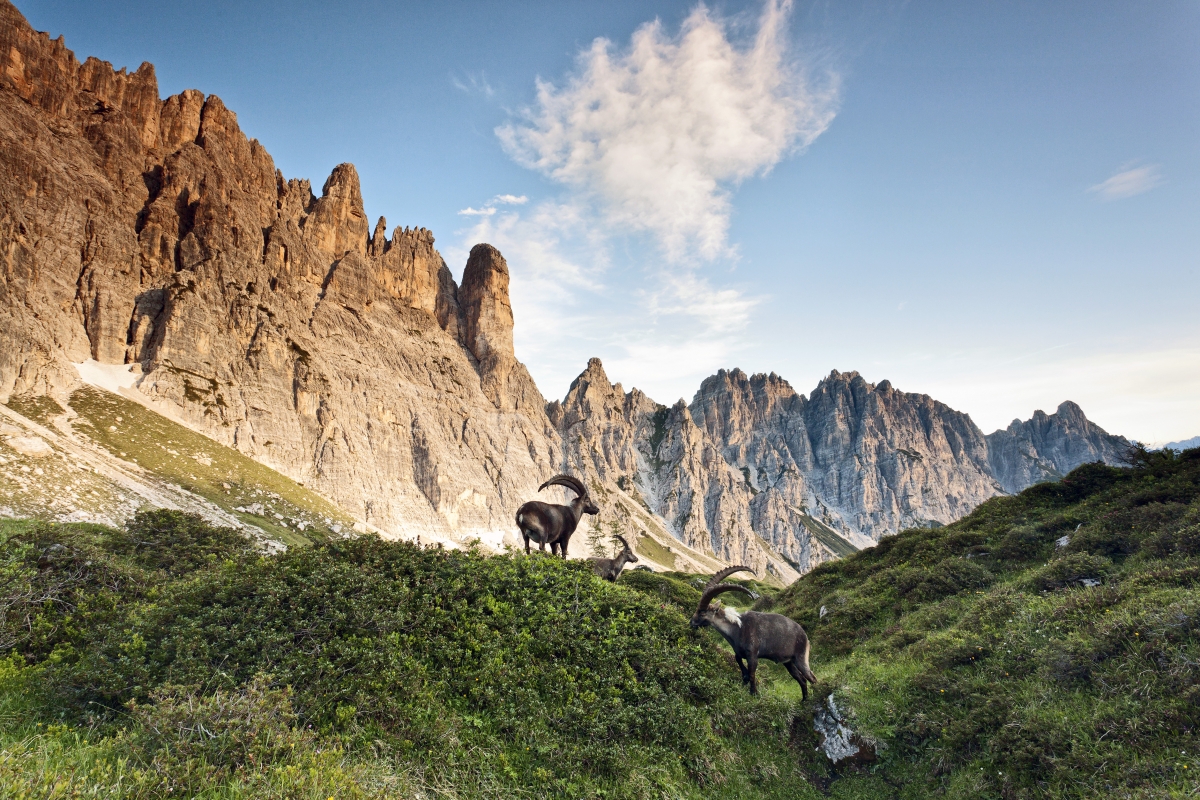
This Friuli-Venezia Giulia travel guide leads to a region shaped by mountains, sea, and centuries of cultural convergence. Tucked in Italy’s northeast corner, it borders Austria, Slovenia, and the Adriatic Sea—yet it feels entirely its own. Although it draws influence from its neighbors, the region still retains a distinct character. From star-shaped towns to alpine stillness, every landscape offers contrast and continuity. Consequently, Friuli-Venezia Giulia appeals to travelers who prefer the subtle over the staged, and who value authenticity over spectacle. Whether exploring coastal vineyards or hiking silent peaks, one finds meaning in the quiet details.
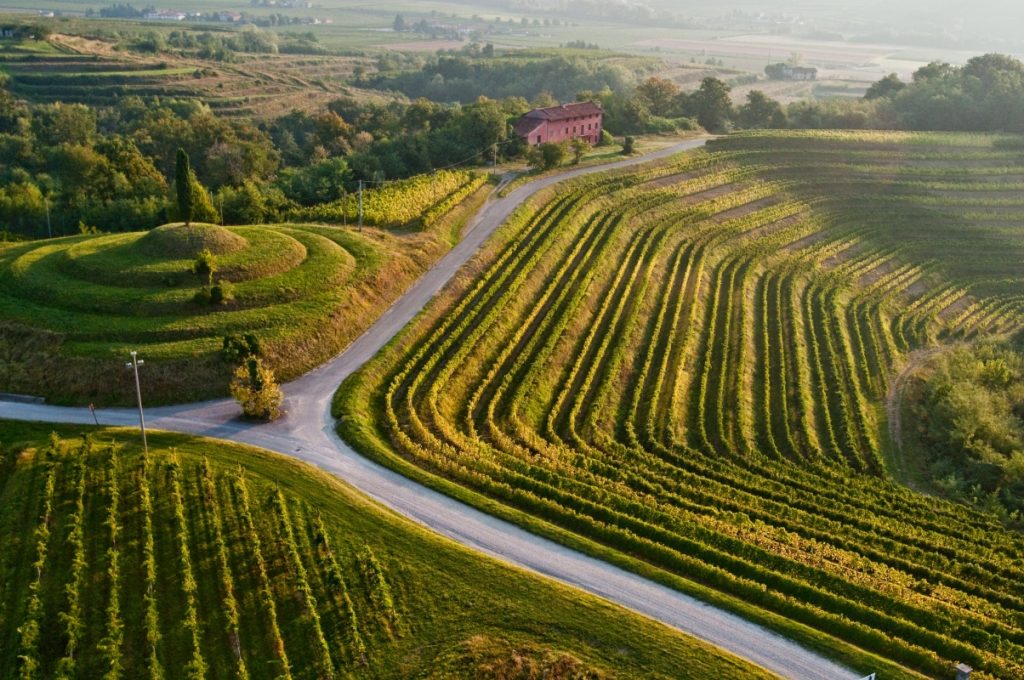
Vineyards With Coastal Air
At the Rocca Bernarda winery, vines stretch over hills that catch both sea breeze and alpine chill. This natural balance shapes the crisp, mineral-rich wines of the region. The atmosphere is unhurried. Conversations flow between generations, and tastings often turn into long afternoons shaded by old olive trees. As a stop in any Friuli-Venezia Giulia travel guide, this one will linger in memory.
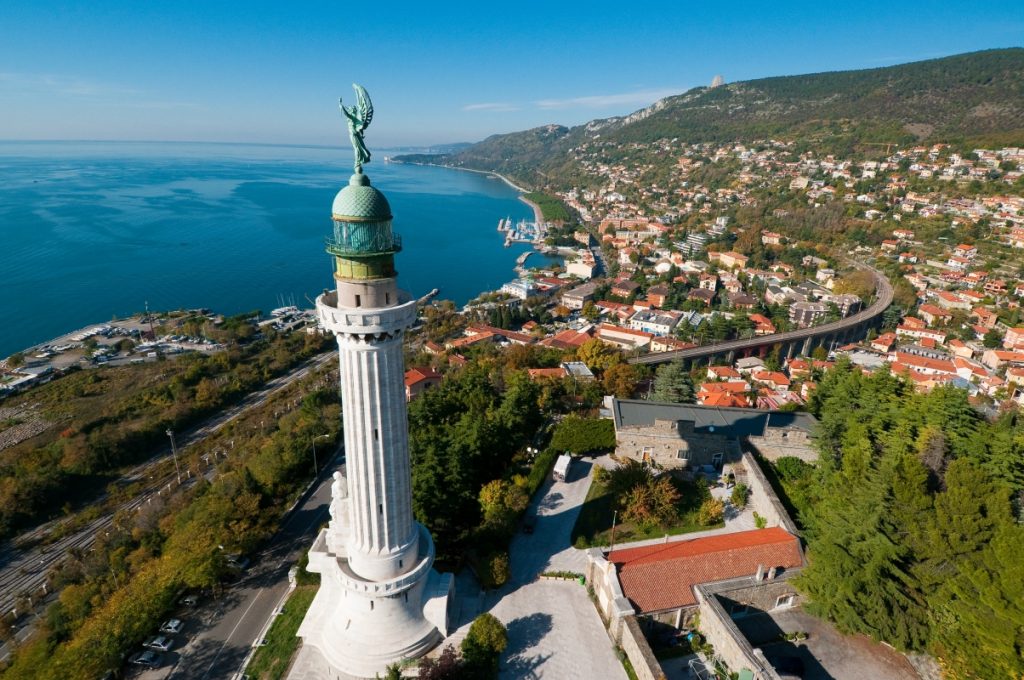
Views From Faro della Vittoria
Above Trieste, the Faro della Vittoria rises from limestone cliffs with views across the Gulf. Built after World War I, it honors fallen sailors while serving as a steady landmark. Morning or dusk, the light softens both the sea and the city, offering travelers a moment of stillness in a place shaped by history and salt air.
Solitude in the Dolomiti Friulane
The Dolomiti Friulane stand apart—both geographically and in spirit. Here, trails pass through stone valleys, over ridges, and into pockets of wild silence. Wildlife often outnumbers hikers. Every path tells its own story, whether traced by ancient shepherds or WWII patrols. These mountains ask for effort, but return peace and clarity in kind.

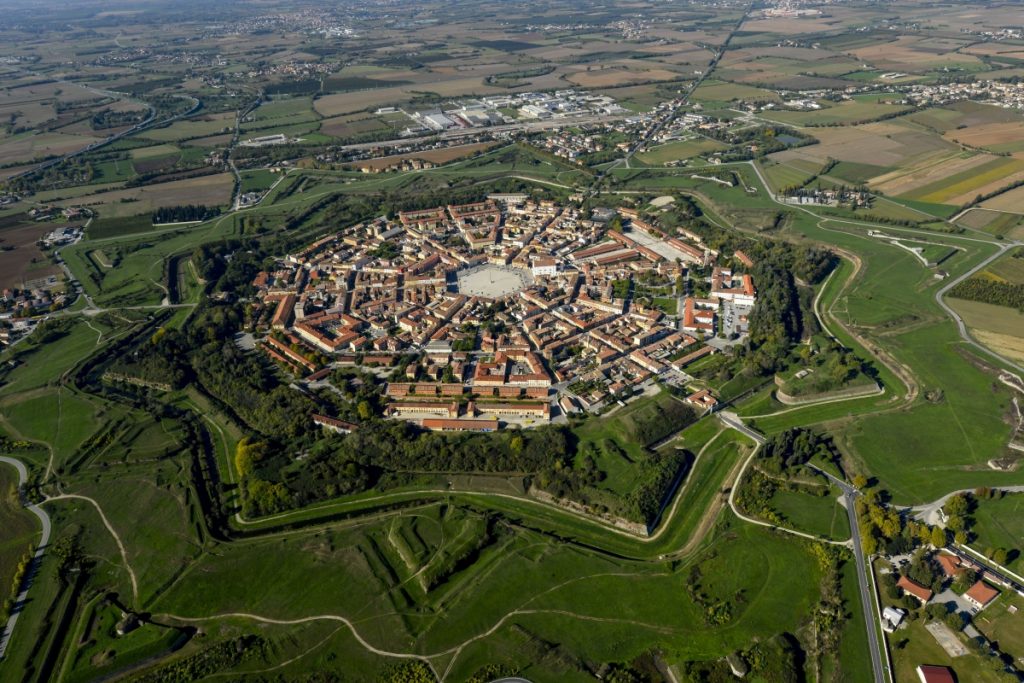
The Geometry of Palmanova
The Palmanova fortress appears at first like a concept sketch brought to life. Its nine-pointed star shape, designed in the late 1500s, was meant to deter invasions and reflect perfect order. Today, the town lives within that symmetry. Wide streets lead to a vast central square, while ramparts and bastions remain accessible to curious walkers. In a region of quiet surprises, Palmanova speaks in lines and angles.
More Friuli-Venezia Giulia Travel Ideas
More information about the region can be found on Friuli-Venezia Giulia’s official page. For those planning a thoughtful journey through northern Italy, this Friuli-Venezia Giulia travel guide highlighted a land of layered landscapes and authentic beauty. Travelers looking for diverse Italian experiences will find Piedmont’s rich wines and alpine charm compelling, while Emilia-Romagna offers vibrant culinary traditions and historic cities.