

Veneto’s spirit isn’t found only in Venice. Instead, across this northern Italian region, ancient streets, quiet squares, and riverside villages carry a distinct rhythm. While many pass through on their way to grander landmarks, those who linger, by contrast, discover a slower, richer version of Italy. Moreover, this journey reveals traditions that still shape daily life. As a result, this Veneto travel guide uncovers towns and corners that hold deep local meaning—and yet remain strangely absent from most itineraries.
Fortress Walls and Stone Arches in Verona
In Verona, Castelvecchio rises along the Adige River—solid, angular, and red with medieval pride. It’s more than a castle; it’s a gallery of Veneto’s military and artistic past. The bridge, rebuilt faithfully after wartime destruction, draws locals and travelers alike. Inside the fortress, paintings and sculptures shift the tone from defensive to contemplative. Anyone who wants to understand how history shaped this region should make Castelvecchio a first stop.

The Island Most Visitors Never Step On
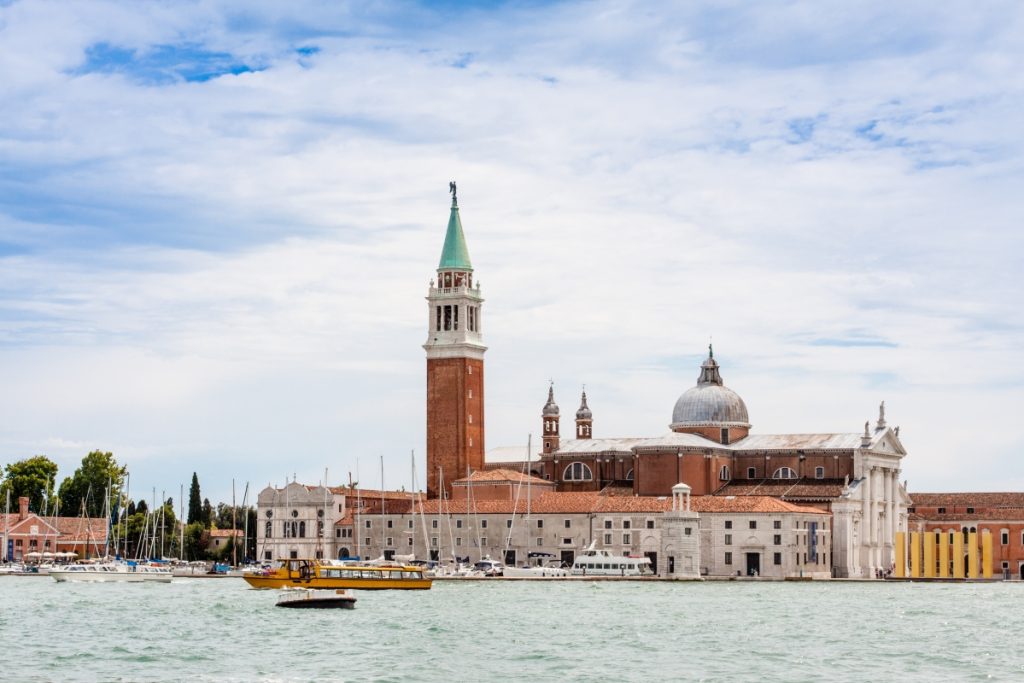
Facing Venice’s main square across the water, San Giorgio Maggiore keeps its distance. This island, with its glowing white basilica by Palladio, seems to breathe slower than the rest of the lagoon. Few tourists cross over, though the short vaporetto ride offers quiet, architectural grandeur. From the bell tower, the view reaches across rooftops and canals—revealing the scale and symmetry of Venice in a way the city itself never does. For a complete Veneto travel guide, this spot should not be missed.
Markets Wrapped in Frescoes
Verona’s Piazza delle Erbe has served as a marketplace since Roman times. Today, it’s still buzzing—part stage, part meeting point. Mornings bring fruit stalls and flower buckets under striped awnings, while evenings lean toward cafés and shadowed conversation. Surrounding the square, frescoed buildings and ancient columns remind visitors that this is not a reconstruction, but a working relic. Few markets in Europe feel this alive, or this connected to the past.

Rivers and Grappa in Northern Veneto
At the edge of the Venetian plains, Bassano del Grappa leans into the Brenta River. Its signature bridge, a covered wooden span by Palladio, stands firm yet gentle against the water’s movement. The town is known for its ceramics, mountain cheeses, and the fiery liquor that gave it its name. Shops still carry on local crafts, and tasting rooms welcome the curious. Tucked between peaks and pastures, this is where northern Veneto shows its alpine character.
Beyond Veneto: Where to Travel Next in Italy
For official information on events, itineraries, and cultural highlights, visit the Veneto tourism website. Curious to explore beyond Veneto? The Piedmont travel guide offers another look at regional Italy, where history, landscape, and tradition remain deeply intertwined. For more alpine charm, check out the Trentino travel guide, featuring mountains, lakes, and cultural gems.